

Menu
- 1. E-Invoice Data: From Transactions to ESG Insights
- How Invoice Data Provides Visibility into Procurement and Supply Chains
- Structured Data Expands the Value of Electronic Invoicing
- 2. How E-Invoice Data Supports ESG Reporting in Practice
- Tracking Emissions Across Procurement and Supply Chains
- Combining Invoice Data with Energy Consumption Records
- Toward Product- and Service-Level Emissions Data Exchange
- 3. Challenges in Using E-Invoice Data for ESG Reporting
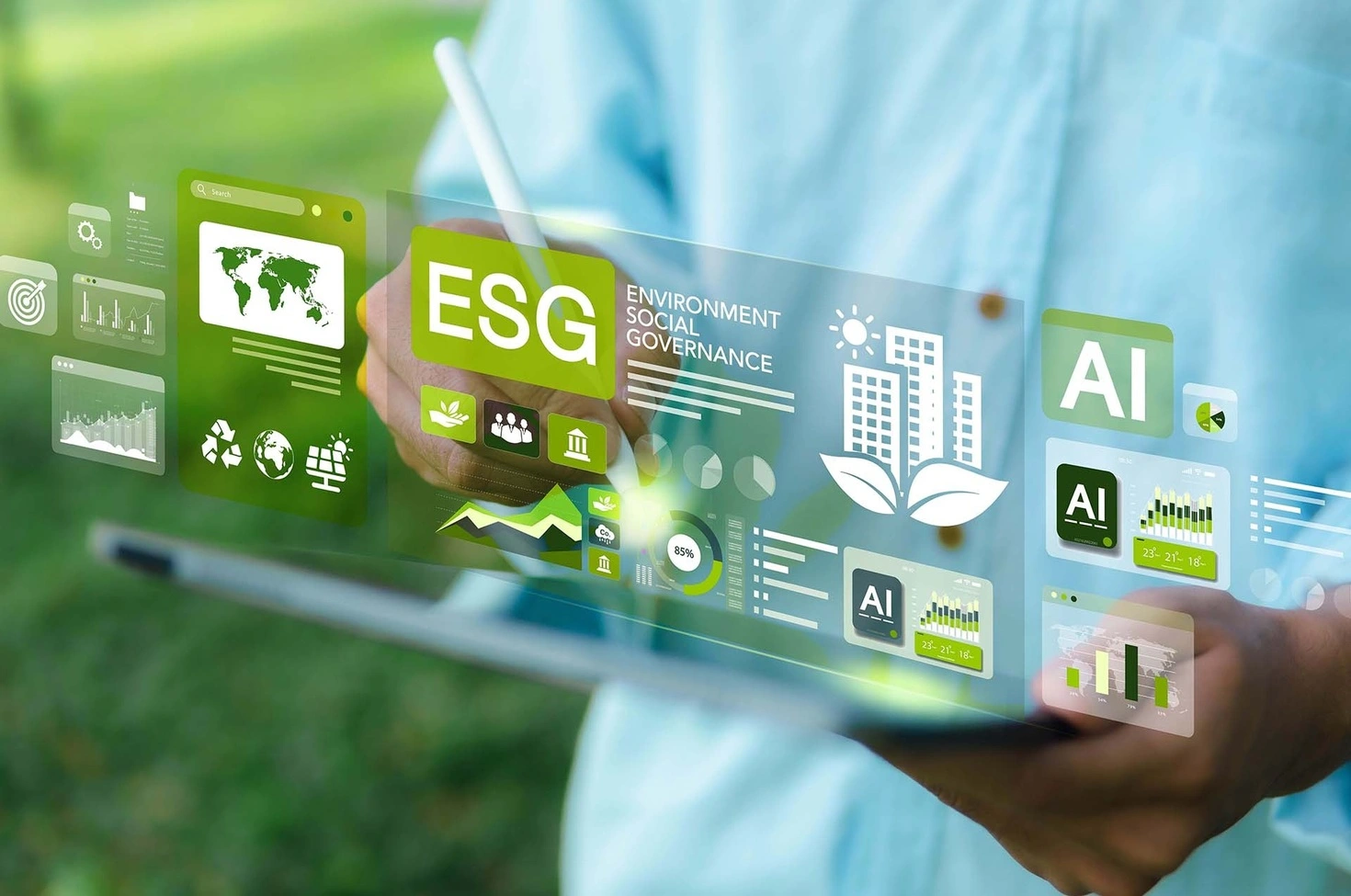
E-invoice data offers businesses an existing source of information to support ESG reporting. Beyond setting sustainability goals, businesses need to collect, consolidate, and verify data across their operations and supply chains. However, this information is often scattered across different departments, systems, and business partners, making ESG monitoring and reporting more challenging.
Electronic invoices contain transactional details such as supplier information, goods, services, and transaction values. When standardized and combined with accounting, ERP, and other operational data, eInvoice data can help businesses track procurement activities, analyze supply chains, and provide inputs for ESG indicators, including Scope 3 emissions estimates. This extends the potential value of electronic invoicing beyond traditional accounting and tax administration.
1. E-Invoice Data: From Transactions to ESG Insights
How Invoice Data Provides Visibility into Procurement and Supply Chains
Beyond accounting and tax administration, electronic invoices contain information that businesses can use to gain greater visibility into procurement activities and supply chains. Details such as supplier identities, product and service descriptions, quantities, and transaction values can be consolidated by category, supplier, or reporting period to help businesses understand purchasing patterns and changes in their operations.
The potential to reuse this information is highlighted in a 2024 European Commission report, which examines applications of electronic invoice data in supply chain analysis and environmental reporting. Rather than serving solely as transaction records, invoices can also provide inputs for monitoring business activities relevant to sustainability objectives.
For example, raw material purchase invoices may help businesses identify material types, purchased quantities, and corresponding suppliers, provided these details are available. This information can support procurement categorization and the identification of activity data needed to estimate supply chain emissions. However, purchasing a given quantity of raw materials does not directly reveal the greenhouse gas emissions associated with their production. Estimating these impacts requires appropriate emission factors, supplier-provided data, or additional environmental measurements.
Structured Data Expands the Value of Electronic Invoicing
The ability to extract value from invoice data also depends on how information is organized and processed. Storing a document electronically may make it easier to retrieve, but it does not necessarily make the underlying information ready for automated analysis.
A 2010 study found that structured electronic invoices enable greater process automation than paper invoices or unstructured electronic documents such as conventional PDF files. This highlights how the benefits of digitalization extend beyond replacing paper to reducing manual processing and making transaction information more reusable.
For ESG-related activities, standardized invoice data can help businesses consolidate and categorize large volumes of transactions while reconciling information across accounting systems, ERP platforms, and other operational sources. When combined with energy consumption records, raw material data, or supplier emissions information, transactions originally recorded for accounting and tax purposes can contribute to the monitoring, measurement, and reporting of sustainability indicators.
2. How E-Invoice Data Supports ESG Reporting in Practice
From monitoring procurement activities to supporting emissions calculations, electronic invoice data is being used in different ways to inform sustainability reporting. Some businesses analyze existing transaction records to gain visibility into their supply chains, while more advanced applications combine invoice information with operational data or environmental information provided by suppliers.
Tracking Emissions Across Procurement and Supply Chains
Measuring supply chain emissions remains a challenge for ESG reporting, particularly for Scope 3, where emissions arise from activities outside a company’s direct operations. Collecting information from multiple suppliers, production stages, and related services requires businesses to consolidate data from across the value chain.
A case documented by the European Commission illustrates how a fashion company used invoices from suppliers throughout its production chain, from cotton cultivation to product delivery to customers. Robotic process automation (RPA) was used to extract information from invoices, with algorithms applied to estimate annual CO₂ emissions associated with these activities.

Rather than examining transactions individually, consolidating invoice data gives businesses greater visibility into the activities and partners involved in their supply chains. This information can help determine the scope of data collection, support environmental impact analysis, and contribute to ESG reporting.
However, emissions estimates still depend on the completeness of the available information, additional environmental data, and the calculation methods applied.
Combining Invoice Data with Energy Consumption Records
While the previous example focuses on analyzing transactions across a supply chain, another application involves connecting invoice data with systems that monitor actual business operations.
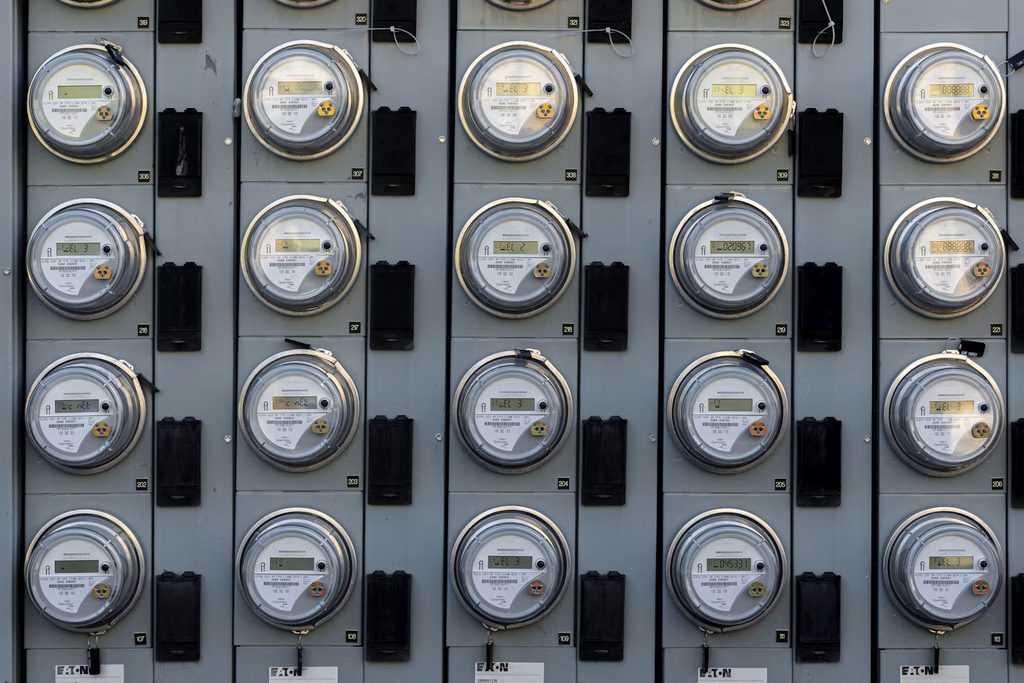
In Ireland, educational authorities use electricity invoice data alongside smart meter readings to monitor electricity costs and consumption across schools. By comparing actual electricity use against expected consumption based on reference buildings, the system helps identify schools with unusually high energy use and supports targeted energy-saving measures.
In this model, invoices provide billing information, while smart meters capture electricity consumption over time. Combining the two sources enables administrators to monitor costs and identify unusual patterns in energy consumption.
Businesses can apply a similar approach to support energy management across their facilities and develop inputs for tracking relevant environmental indicators. Invoice data becomes more useful when it is reconciled with operational information rather than analyzed in isolation.
Toward Product- and Service-Level Emissions Data Exchange
Electronic invoices typically show what goods or services a business has purchased, along with their quantities and transaction values. However, they do not normally indicate the emissions generated during the production or delivery of those goods and services. Buyers therefore need additional environmental information from their suppliers.
In the oil and gas industry, the Petroleum Industry Data Exchange (PIDX) has developed an initiative to extend electronic invoicing data exchange standards to support Scope 3 emissions reporting. The proposed model introduces additional emissions-related data attributes at the individual invoice line-item level, allowing environmental information to be associated with specific products and services.
Under this approach, suppliers first measure life-cycle emissions for individual products or services using verifiable methods. The resulting information is then incorporated into the extended invoice data exchange structure and linked to the corresponding line items. Buyers receiving this information can reconcile product descriptions and transaction quantities with supplier-provided emissions data to support Scope 3 emissions accounting and reporting.
For example, when a business purchases several types of materials from the same supplier, the model aims to associate emissions information for each material with its corresponding invoice line, rather than providing only an aggregate emissions estimate for the entire order. This is an illustrative example of the proposed data exchange approach, not a documented implementation outcome.
This approach gives buyers a basis for using product- or service-specific emissions data instead of relying solely on estimates derived from aggregated procurement spending. However, the PIDX initiative remains a specialized model rather than a standard feature of conventional electronic invoices. Its practical application depends on supplier measurement methods, compatible data standards, and the infrastructure available for exchanging information between trading partners.
Together, these examples illustrate how e-invoice data can support ESG reporting, from consolidating procurement information and integrating operational records to receiving supplier-specific emissions data. Across these applications, the value of invoice data grows when it can be combined and reused alongside other relevant information sources.
3. Challenges in Using E-Invoice Data for ESG Reporting
Despite its potential applications, using electronic invoice data for ESG reporting remains dependent on data quality and interoperability between business systems. Information collected from multiple suppliers may vary in product classifications, units of measurement, and levels of detail, making consolidation and reconciliation more challenging.
Another challenge is the variation in emissions measurement methods and suppliers’ ability to share environmental data. Even when suppliers have information on their products’ carbon footprints, the results may still be difficult to compare if they are calculated using different methodologies or assessment boundaries. These obstacles may relate to units of measurement, differences between production facilities, information sensitivity, and the lack of suitable data exchange infrastructure at some businesses.
These challenges suggest that digitizing transaction records is only one part of building a reliable data foundation for ESG reporting. To make effective use of electronic invoice data, businesses need to prioritize input data quality, integration with relevant information sources, and consistent measurement methodologies. These are important conditions for ensuring that transaction data can contribute reliably to corporate sustainability reporting.
References:
– European Commission (2024) – Report on the Evolution of eInvoicing in the Digital Age
– Tenhunen & Penttinen (2010) – Assessing the Carbon Footprint of Paper vs. Electronic Invoicing
Read More:
– Paperless Office: How the FPT IS Digital Ecosystem Drives the Twin Transition and Supports ESG Goals
– Paperless Office and ESG: Reducing Paper Consumption and Preventing Waste in Line with GRI 306
– From Approvals to Invoices: How Paperless Workflows Support ESG Governance