

Menu
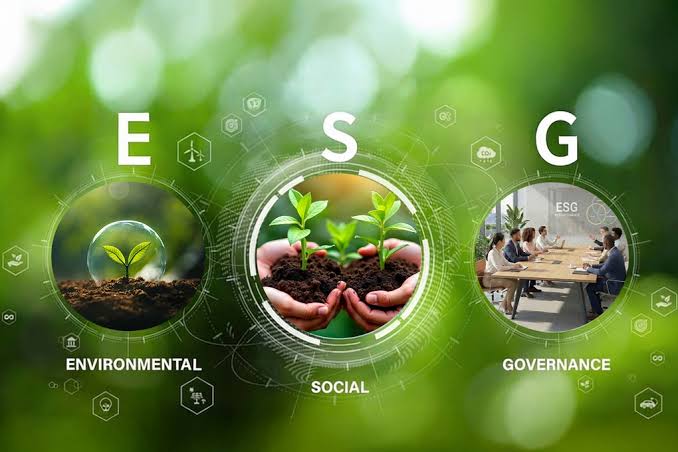
Within the Social pillar of ESG, working conditions, employee rights, and customer privacy are addressed in standards such as ESRS S1 – Own Workforce and GRI 418 – Customer Privacy. At the same time, the United Nations Sustainable Development Goal 8 (SDG 8) emphasizes improving productivity through technology and innovation while promoting safe working environments. In this context, the paperless office model not only aims to reduce resource consumption but also creates opportunities to improve the workplace by digitalizing processes such as e-invoicing, contract management, and internal approvals. The use of automation and AI in these workflows can help reduce administrative burdens, improve employee experience, and support the protection of privacy for those participating in digital processes.
Reducing Administrative Burden in the Digital Workplace
One way the Paperless Office model can benefit employees is by reducing reliance on physical documents in the workplace. When internal forms, contracts, and invoices are created, processed, and stored electronically, businesses can reduce the need to print, photocopy, transport, and retain paper records. Beyond helping reduce paper waste and consumable materials, this can also limit the accumulation of physical files, the occupation of workspace, and administrative tasks associated with organizing and maintaining documents.
The potential storage footprint of paper records can be illustrated by an FPT.SPro implementation at a foreign-invested manufacturing company. Before digitalization, internal procedures such as leave requests, overtime registration, and employee information updates primarily relied on paper forms and manual approvals.
Following implementation, the platform was deployed to 1,500 users across office and factory operations, with more than 100 workflows in operation and over 10,000 requests processed each month. If all these requests had to be retained as paper files, assuming an average thickness of just 1 mm per file, the company would need more than 10 meters of linear shelving for a single month’s records.
Through FPT.SPro, businesses can move the creation, circulation, approval, and management of internal requests into a digital environment, reducing the space needed for documents awaiting processing or requiring storage. Together with FPT.eContract and FPT.eInvoice for contract and invoicing processes, the Paperless Office model can help limit the accumulation of physical records on desks, in filing cabinets, and across business departments, helping businesses maintain a tidier workspace that is easier to clean and makes more efficient use of available space..
From E-Invoicing to Higher Employee Productivity
Beyond improving working conditions, the Paperless Office model can help enhance employee productivity by reducing repetitive administrative tasks. For accounting teams in businesses handling high transaction volumes, processing an incoming invoice may involve multiple steps: checking emails to retrieve incoming invoices, reading and entering invoice details, verifying suppliers, and reconciling data before updating accounting systems. As invoice volumes grow, these activities can consume considerable time, requiring employees to focus on collecting and validating information rather than tasks that demand professional judgment.
FPT.eInvoice helps reduce this workload by combining automation and AI throughout incoming invoice processing. The solution can monitor emails to collect documents, use AI to read and extract information from them, support document validity checks, and identify potential risks associated with suppliers. The processed data is then transferred to the invoicing system and can be synchronized with accounting software through the enterprise’s configured integrations. This reduces the need for employees to manually search for documents, re-enter information, and transfer data between systems.
Instead, accounting staff can devote more attention to unusual transactions, exception handling, and business decisions. AI-generated findings support the review process rather than replacing professional legal assessments or decisions made by authorized personnel. Similarly, FPT.SPro helps reduce manual follow-up and processing of internal requests, while FPT.eContract limits administrative tasks associated with coordinating contract execution. When appropriately implemented, the FPT IS digital ecosystem can help employees spend less time on administrative work and focus more on responsibilities requiring expertise and professional judgment.
E-Invoicing, User Experience, and the Social Pillar of ESG
Beyond reducing manual workloads, digital workflows can also give employees, customers, and business partners greater autonomy in accessing and completing related procedures. With FPT.eInvoice, buyers can search for and download invoices through the Buyer Portal instead of contacting accounting staff to request copies of documents. In addition, FPT.eInvoice onCloud’s 10-year electronic invoice storage capability enables businesses to retain invoice records over the long term, making them easier to retrieve and reconcile when needed.
FPT.eContract enables parties to sign contracts remotely, reducing their dependence on physical locations and paper-based document exchanges. Within an organization, FPT.SPro allows employees to submit requests, track processing progress, and receive status notifications through the system. These capabilities help reduce unnecessary follow-ups, waiting times, and travel while making business procedures more convenient and accessible for users.
Protecting Privacy Across Invoices, Contracts, and Internal Records
As invoices, contracts, and internal records are processed digitally, protecting personal information also becomes an important part of the user experience. Electronic invoices may contain buyer identification details and transaction data; electronic contracts may include signers’ information and confidential terms, while internal records may involve employee data. As these documents are stored, accessed, and shared among multiple parties, businesses need to carefully control how information is used and who can access it, reducing the risk of unintended disclosure or unauthorized access.

FPT.eInvoice supports information authentication during invoice data transmission between systems. FPT.eContract provides signer authentication, multilayer security, and segregated customer data management.
FPT.SPro Drive supports controlled document sharing through mechanisms such as viewing, editing, and download permissions; access expiration dates; password and OTP verification; and IP-based access restrictions. For example, when sharing records containing personal information with business partners, organizations can specify which content recipients may view, how long they can access it, and whether downloading is permitted.
These mechanisms help limit access beyond authorized boundaries, supporting the privacy and interests of employees, customers, and business partners. However, effective data protection also depends on organizational information management policies, security configurations, and the actual deployment scope of each solution.
Read more:
– Paperless Office: How the FPT IS Digital Ecosystem Drives the Twin Transition and Supports ESG Goals
– Paperless Office and ESG: Reducing Paper Consumption and Preventing Waste in Line with GRI 306
– From Approvals to Invoices: How Paperless Workflows Support ESG Governance